Understanding the Role of a Commercial General Contractor in Achieving Superior Building Outcomes
A commercial general contractor plays a crucial role in construction. They confirm projects adhere to schedules and budgetary constraints. Their role involves overseeing detailed timelines and coordinating all involved parties. This integration is necessary for sustaining high safety and quality levels. Understanding their responsibilities reveals how they influence project outcomes. What precise approaches do they utilize to navigate challenges and deliver successful results?
The Importance of a Commercial General Contractor
Although some may underestimate their role, a commercial general contractor is indispensable for successful building work. Functioning as the central point of contact, these professionals confirm that all parts of the build are unified without issue. Their expertise encompasses not only project management but also effective communication between stakeholders, including clients, subcontractors, and suppliers. By managing budgets, timelines, and resource distribution, they lessen dangers and improve operational efficiency.
Additionally, commercial general contractors handle intricate regulatory landscapes, making certain they comply with safety standards and local codes. Their experience in resolving conflicts and solving problems is crucial, particularly when unexpected challenges arise during construction. Ultimately, a skilled commercial general contractor encourages cooperation, increases effectiveness, and adds to the total quality of the build. Their key position sets the stage for positive results, making them essential for every construction undertaking, regardless of size or intricacy.
Key Responsibilities of a Commercial General Contractor
While supervising a construction effort, a commercial general contractor handles a wide array of important functions that are vital for project achievement. First and foremost, they oversee project timelines, ensuring deadlines are met and that the project progresses as planned. They also manage the finances, managing expenses and ensuring resources are allocated efficiently.
The contractor is also accountable for hiring and coordinating subcontractors, selecting qualified professionals for specialized tasks such as electrical and plumbing installations. The contractor ensures adherence with regional building laws and safety guidelines, minimizing potential issues associated with building operations.
Furthermore, a commercial general contractor is responsible for obtaining required permits and licenses to aid in the construction workflow. The contractor performs routine site checks to monitor quality and progress, resolving problems that arise quickly. In essence, their function is to ensure that the work adheres to specifications, is completed on time, and is delivered within budget.
The Role of Coordination and Communication in Construction
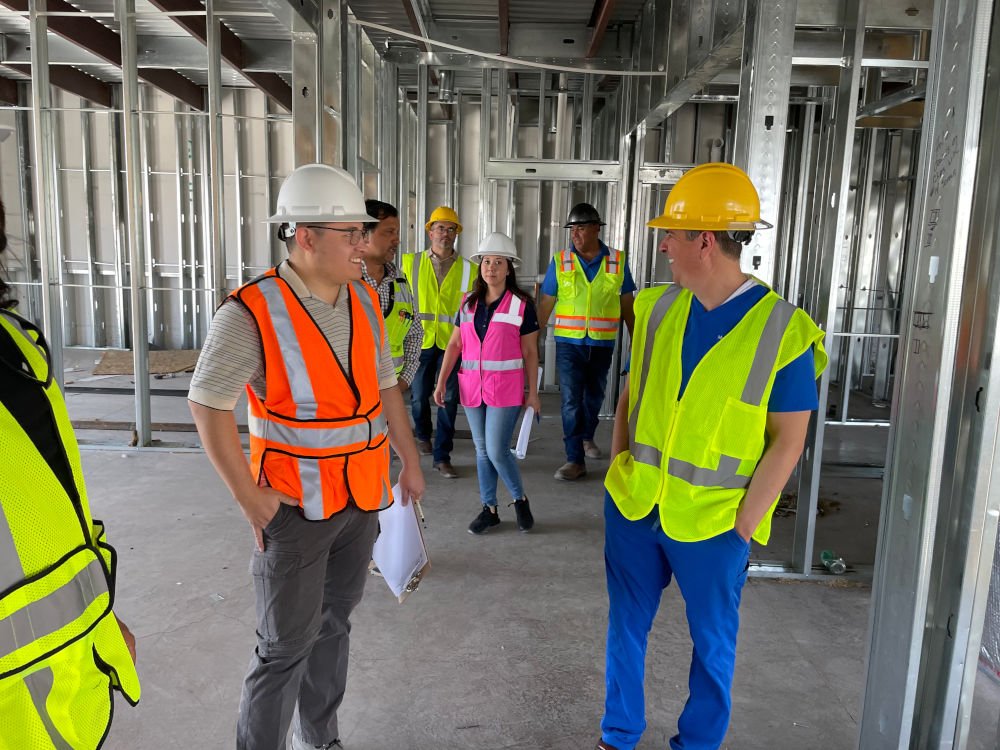
Effective coordination and communication are essential elements in the success of construction projects, as they guarantee that all stakeholders are aligned with the project's goals and timelines. A commercial general contractor plays a pivotal role in aiding this coordination by setting up defined communication channels among subcontractors, suppliers, clients, and architects. The contractor ensures that information regarding changes, project status, and potential problems are communicated efficiently and quickly.
Status reports and frequent meetings are crucial to this coordination, allowing for the timely resolution of conflicts and the adjustment of schedules as needed. The contractor's ability to foster collaboration among different parties boosts the project's overall effectiveness and lessens miscommunications. In addition, the use of project management tools and technologies can optimize the communication flow, guaranteeing everyone can view to the most current information. Ultimately, effective coordination and communication lead to improved project outcomes and party gratification in the construction industry.
Budget Management and Financial Oversight
Managing finances and budgets is crucial to the successful execution of construction projects, ensuring that resources are allocated efficiently and costs are controlled. The general contractor is instrumental in this process by establishing precise budgets based on client expectations and the project's scope. They monitor expenditures throughout the project view information about lifecycle, identifying variances and implementing required changes to avoid overruns.
The general contractor partners with suppliers and sub-trades to negotiate contracts, ensuring competitive pricing while upholding standards of quality. Routine financial reports and projections enable stakeholders to remain current and take prompt action. By implementing stringent financial controls, the contractor reduces potential issues associated with unexpected costs, preserving the financial stability of the project. In the end, sound financial control and budget administration boost the likelihood of project success but also foster trust between clients and contractors, leading to the successful conclusion of the project.
Maintaining High Safety and Quality Levels
A comprehensive strategy for guaranteeing safety and quality is vital in the building sector, where the stakes are high and errors can be costly. Commercial builders are instrumental in implementing rigorous safety protocols and quality assurance measures throughout the project lifecycle. It is their duty to follow local building codes, industry regulations, and best practices, which minimizes project risks and boosts the project's overall quality.
For this purpose, contractors often carry out routine site checks, ensure adherence to safety rules, and provide ongoing training for workers. Contractors partner with reputable subcontractors and vendors who prioritize quality results, ensuring that materials and workmanship meet established standards. By promoting high standards of safety and quality, commercial general contractors ensure worker well-being but also enhance the durability and longevity of the structures they build, resulting in successful projects and happy customers.
Questions and Answers
What Experience is Necessary in a General Contractor?
When selecting a general contractor, one should consider their licenses, insurance, experience, references, and project portfolio - Hickory top rated Commercial General Contractor. Furthermore, strong communication abilities and a history of successfully handling schedules and costs are essential for successful project delivery
What is the Best Way to Choose the Right Contractor for My Project?
In order to choose the best contractor, one should assess their background, check references, review past projects, confirm licenses and insurance, and ensure open lines of communication. An in-depth interviewing procedure can help reveal if they are a good fit for the project.
What Issues Are Typical for Commercial Builders?
Commercial general contractors often face challenges such as managing subcontractors, labor shortages, budget limits, scheduling issues, and compliance requirements. These difficulties have the potential to influence the overall quality, budget, and duration of the project if not effectively addressed throughout the process.
How Do Builders Deal With Surprises During the Construction Phase?
Contractors address unexpected issues during construction by determining the situation fast, formulating alternative solutions, and updating clients and partners. Hickory top rated Commercial General Contractor. They often leverage their collective experience and cooperation to enact solutions, guaranteeing minimal interference to the project's timeline and budget
What's the Standard Timeline for a Business Construction Project?

The average schedule for a commercial construction project can range from a few months up to several years, contingent upon factors such as the scope of the project, complexity, the permitting process, and the materials and labor being available.